 LAKE DISTRICT GUIDES - CLOTHING & PACKING
It's possible to spend a fortune on top-name hiking equipment, and for some, that's part of the fun. However, only certain items are truly required.
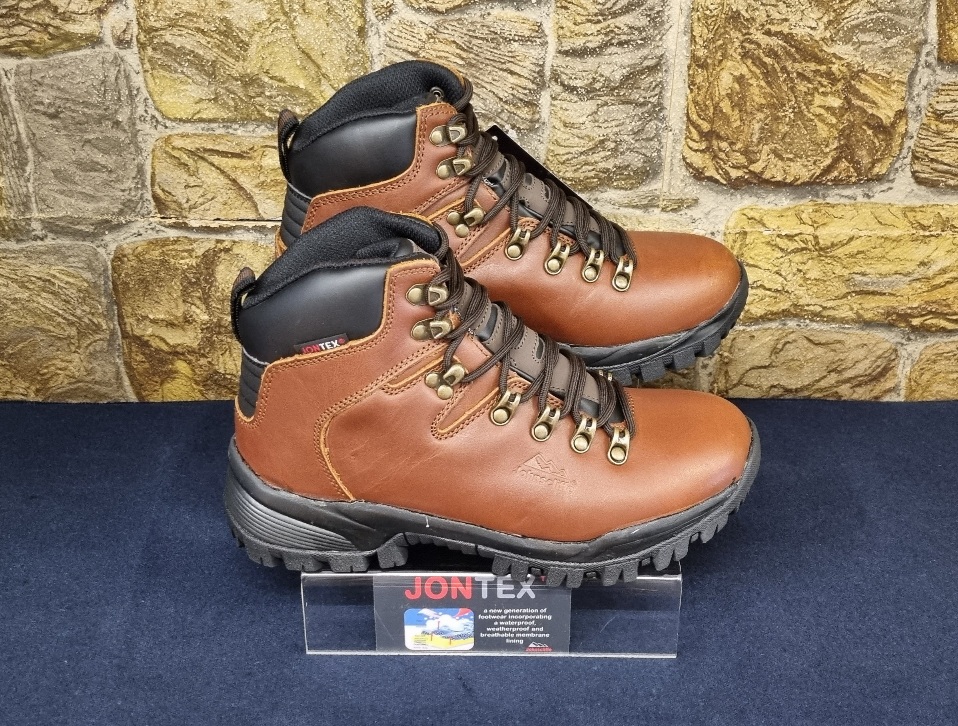
Hiking Boots: An absolute essential in our view, although increasing numbers of people are hiking in trainers. Boots might be clunky but they are more waterproof and protect better against sprained ankles.
Boots should be leather, treated liberally with Dubbin. A couple of pairs in rotation is useful.
Layers: Clothing in easily removable and replaceable layers is the secret for hiking in the Lakes. A minimum of base layer, a warm layer and an outer layer are required. That's hike-speak for T-Shirt, Jumper & Coat.
When hiking the fells we are often cold and then hot, then cold again. Since it's quite irritating to constantly take off one's rucksack to add or remove clothes, layers should ideally be modulable, ie: top to bottom zip.
Top Layer: The most important layer is your top layer. The top layer should be windproof, that is very important. Despite advances in technology, we have found that waterproof top layers do not breathe adequately for hiking, particularly when it is raining. They tend to be cloying, very hot, and we produce moisture on the inside to rival anything outside. I find them very uncomfortable.
For that reason we prefer a windproof top layer of the soft shell type. These will shrug off a shower and they dry rapidly. We additionally carry a pack-small poncho or waterproof. This is a trade-off.
Mid Layer: This can be a normal sweatshirt-type top, or a down bodywarmer type (no sleeves) is favoured by some. It must be warm and preferably not too heavy/chunky. I like a bodywarmer with a full zip.
Base layer: Merino wool is very nice as a baselayer - a welcome luxury. However, it is absolutely not a requirement. Normal T shirts are fine in most circumstances.
Bottom half: I tend to wear shorts, trousers only in very poor weather. You need a material that dries quickly, certainly not jeans.
Socks: Wool socks (merino is better) are ideal inside hiking boots. Wool has useful characteristics when wet and doesn't hold moisture as much as cotton. If you get some water into a boot in the early part of a walk, you will welcome the difference.
Accessories: Woollen hat, scarf or neck gaiter, gloves
Common sense: When hiking there is a trade off between how much we can sensibly wear / carry and what we would ideally take to deal with all conditions. For that reason you should carefully study the weather forecasts.
Do not venture onto the fells unprepared for bad weather.
PACKING
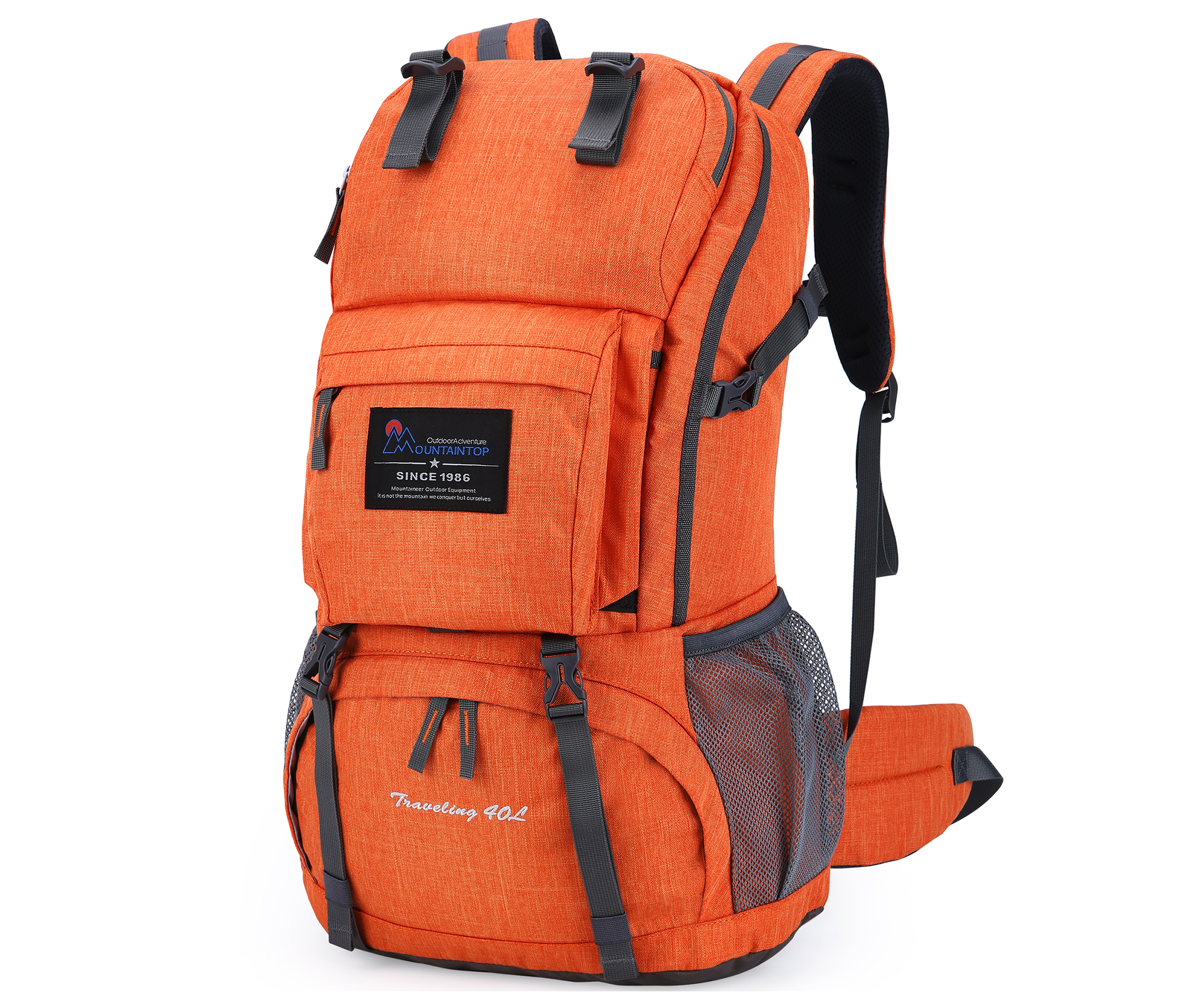
Rucksack: You will need a rucksack with decent quality zips, padded shoulder straps and a waist belt. Do not skip the waist belt as it makes a huge difference, particularly when carrying extra weight such a multiple litres of water for a thirsty dog.
The rucksack pictured is perfectly adequate. It is comfortable to wear, and has some very useful outside pockets and straps. The main compartment is one large area, the bottom of which can be accessed separately.
Clothing: extra layers and waterproofs go in the back pack.
First Aid Kit: We highly recommend carrying a first aid kit, even a small one is useful with the addition of a triangular bandage and ideally a freeze pack and elasticated bandage in case of a sprained ankle.
Emergencies: It's difficult to plan for all emergencies, but the very compact "Bivy Bag" can easily slot into the rucksack. I've never had to use it but in a pickle it would be better than nothing and adds very little weight.
Handy Accessories: Head torch (more useful than torch on phone or hand held torch), spare battery pack for phone, sun cream, sunglasses, handkerchief